

Whether you are moving across a large campus, riding from an apartment to class, or making quick trips to the library, you may be asking yourself: what is the best bike for college students?
The answer depends on your campus, budget, storage space, and how far you ride each day. Some students only need a simple bike for short trips. Others may need an electric bike for hills, off-campus errands, or a longer commute.

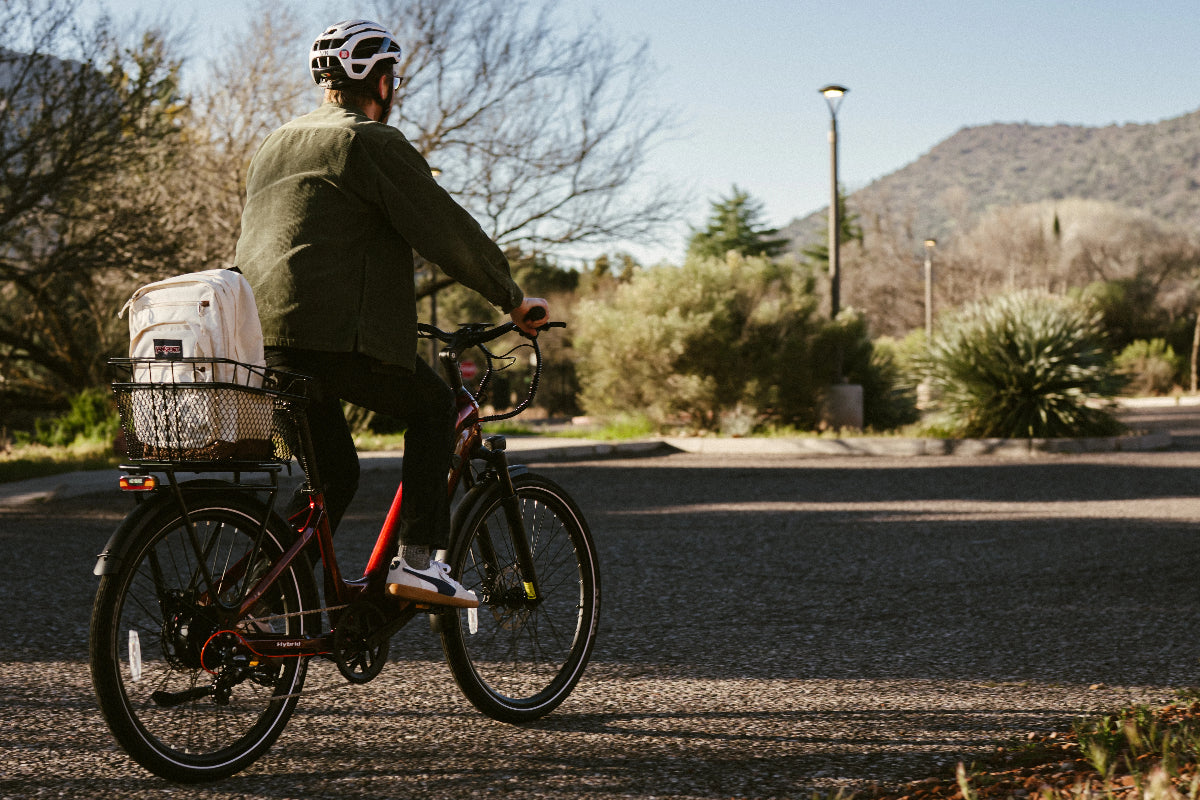
Earlier Mars 2.0 shown; confirm specifications for the exact version rather than a newer model.
In this guide, we’ll explain the most common bike types for college students, what features matter most, and how to choose a bike that fits your daily campus life.
Why College Students Need a Bike
College life can be busy. You may need to get from your dorm to class, then to the library, the gym, a part-time job, or a nearby grocery store. A bike can save time and make your daily routine easier.
For many students, a bike is also cheaper than driving. You do not need to pay for gas, campus parking, or rideshare trips every week. You can also avoid waiting for buses when your schedule is already tight.
A bike can be especially useful on large campuses or campuses with hills. Instead of walking 20 minutes between buildings, you can ride there faster and save your energy for class, work, or study time.
What Is the Best Bike for College Students?
The best bike for college students is usually the one that fits your campus routine. It should be easy to ride, simple to store, reliable enough for daily use, and affordable enough to fit a student budget.
If your campus is small and flat, a regular bike or hybrid bike may be enough. If your campus has hills, long distances, or off-campus housing, an electric bike can make the ride much easier.
Do not choose a bike only because it looks fast or has the most features. Think about how you will actually use it. A good college bike should help you get around without adding more stress to your day.
Quick Comparison: Which Bike Fits Your Campus?
Different students need different bikes. Before choosing a model, look at your daily route, storage space, and budget.
| Student Need | Best Bike Type | Why It Works |
|---|---|---|
| Short rides across a flat campus | Regular bike or hybrid bike | Simple, affordable, and easy to maintain. |
| Hilly campus or longer daily commute | Electric bike | The motor helps reduce effort between classes and after a long day. |
| Dorm, apartment, or limited storage | Folding bike or folding e-bike | A folding frame makes storage easier in small spaces. |
| Off-campus errands and groceries | E-bike with rack or basket options | Helpful for carrying books, bags, groceries, or daily gear. |
| Rough pavement, grass, or gravel paths | Mountain bike or fat tire e-bike | Compare tire tread, pressure guidance, and the surfaces where riding is permitted; tire width alone does not establish grip or safety. |
| Very tight budget | Used bike or affordable e-bike | Keeps the cost lower while still covering daily transportation needs. |
Types of Bikes for College Students
There are several bike types that can work well for college students. Each one fits a different campus style and riding need.
Hybrid Bikes
A hybrid bike combines features from road bikes and mountain bikes. It usually has a comfortable riding position, flat handlebars, and tires that can handle pavement and light rough surfaces.
This makes it a good choice for students who ride mainly on campus roads, sidewalks, and bike paths. It is simple, practical, and usually easier to maintain than more specialized bikes.
Regular Bikes
A regular bike is a good choice if your campus is flat and your daily rides are short. It keeps things simple and usually costs less than an electric bike.
The main trade-off is effort. If your campus has hills, long distances, or hot weather, a regular bike may feel tiring after a few weeks of daily use.
Mountain Bikes
Mountain bikes are built for rougher terrain. They usually have wider tires, stronger frames, and better control on gravel, grass, dirt paths, or uneven roads.
For most students, a mountain bike is useful only if the campus has rough paths or you also ride outside campus. If you only ride on smooth pavement, it may feel heavier than you need.
Folding Bikes
Folding bikes can help where storage space is limited. Compare folded dimensions and carrying weight, and confirm that your housing allows bicycle and battery storage before planning to keep one indoors.
If storage is one of your biggest concerns, you can also compare folding electric bikes. They give you the benefit of motor assistance while still helping with space.
Electric Bikes
Electric bikes are a strong option for students who want easier commuting. You can pedal normally or use pedal assist when you need extra help.
This is useful if you live off campus, ride uphill, carry a backpack, or want to arrive at class without feeling sweaty. An e-bike usually costs more than a regular bike, but it can replace many short car trips, bus rides, or rideshare costs.
How to Pick the Best Bike for College Students
Decide where the bike will be stored and charged before comparing motor figures. Check the school’s current riding and charging policy, the distance from housing to classes, secure parking, stairs, and whether a removable battery is permitted indoors.
Before buying a bike for college, think about how it will fit into your real daily routine. A bike that works well for one student may not be right for another.
Budget
Most college students need to watch their budget. When comparing bikes, look beyond the purchase price. You may also need a helmet, lock, lights, fenders, a basket, or occasional maintenance.
If you are considering an e-bike, check whether the brand offers a student discount. Heybike directs students to Student Beans for eligibility and current offer terms. Check the Student Beans page before relying on a discount or assuming that every model or accessory is included.
Campus Distance
If your rides are only a few minutes, you may not need anything complicated. A simple bike can do the job.
If you ride several miles a day, an e-bike becomes more useful. Pedal assist can help you handle longer routes without arriving tired, especially when you have early classes or a packed schedule.
Hills and Road Conditions
A flat campus is very different from a hilly campus. If your route includes steep roads, an electric bike can make a big difference.
Also look at the road surface. Smooth pavement is easy for most bikes. Gravel, grass, rough sidewalks, or cracked roads may feel better with wider tires or a fat tire design. You can compare more options in Heybike fat tire e-bikes.
Storage
Storage matters more than many students expect. If your dorm or apartment has limited space, a large bike can become a daily problem.
A folding bike or folding e-bike may be easier to store indoors, depending on its folded size and weight. Confirm your school's housing, storage, and battery-charging rules; indoor storage may reduce exposure to theft, but it is not guaranteed.
Carrying Capacity
Your college bike may need to carry more than just you. Books, a laptop, gym clothes, groceries, and a backpack can add up quickly.
Look for a bike that can work with a rear rack, basket, pannier bag, or handlebar bag. Carrying gear on the bike is usually more comfortable than wearing a heavy backpack for every ride.
Ease of Use
A good campus bike should be easy to ride and easy to control. Comfort matters when you ride it every day.
Check the seat, handlebar position, frame height, and riding posture. If the bike feels too tall, too stretched out, or too heavy, you may stop using it after the first few weeks.
Safety Features
For campus riding, control is more important than top speed. A good bike should have reliable brakes, lights, reflectors, and tires that match your route.
If you ride at night, front and rear lights are important. Reflective clothing or a reflective backpack can also make you easier to see.
Should College Students Choose an Electric Bike?
An electric bike is not necessary for every college student, but it can be a smart choice for many campus riders.
If you live close to class and only ride short flat routes, a regular bike may be enough. But if your campus is large, your apartment is off campus, or your route includes hills, an e-bike can save time and effort.
An e-bike can also help if you carry books, groceries, or work gear. The motor support makes it easier to ride with extra weight, especially after a long day.
Before bringing an e-bike to campus, check your school’s rules. Some colleges have rules about where e-bikes can be parked, how batteries should be charged, and which class of e-bike is allowed on campus.
Best Heybike Options for College Students
For college students, the best Heybike option depends on budget, storage, hills, and how much riding you do outside campus.
Considering an Older Mars 2.0? Check the Exact Version
For an older Mars 2.0 bicycle, use the manual and specification sheet for that exact version. Do not assume that a similarly named replacement or the destination of an old product link has the same battery, brakes, weight, or price. For a current folding option, compare the Mars 3.0 described below.
Folding Comfort for a Longer Campus Commute: Mars 3.0
Mars 3.0 is an option to compare if your campus has hills, rough pavement, or longer off-campus routes. Its official product page lists a 624Wh battery and up to 65 miles of maximum range; actual range depends on conditions and use.
Full suspension helps smooth rough pavement, while the folding frame is useful where storage space is limited. The 20" x 4" tires suit riders looking for a wider-tire setup. Its listed 440 lb maximum load is a total load limit, not the rear-rack capacity; check the rack rating separately when carrying books or groceries.
Mars 3.0 combines a folding frame with full suspension; check the bicycle weight, folded dimensions, and campus storage rules before choosing it.
Bike Riding Tips for College Students
Once you choose the right bike, a few simple habits can make campus riding safer and easier.
Use a Good Lock
Bike theft is a real concern on many campuses. Use a strong lock and secure the frame to a fixed bike rack, not just the front wheel.
If you ride an e-bike, it is worth learning how to lock it correctly. You can read our guide on how to properly lock a bike, or compare options in our bike lock guide.
Wear a Helmet
A helmet is one of the simplest safety items you can use. Choose one that fits your head properly and wear it every time you ride.
Even short campus rides can include cars, pedestrians, scooters, and sudden stops. A helmet is worth it for every ride.
Use Lights and Reflectors
Many students ride early in the morning or after evening classes. Front and rear lights help drivers, cyclists, and pedestrians see you.
Reflectors and reflective clothing are also helpful, especially if your route includes dark streets or campus roads with traffic.
Keep Your Bike Maintained
A bike used every day needs regular checks. Look at the brakes, tires, chain, lights, and battery if you ride an e-bike.
Simple maintenance can prevent bigger problems later. For a full routine, check our electric bike maintenance guide.
Charge Safely
If you choose an e-bike, follow the charging instructions in the manual. Use the original charger, charge in a dry area, and avoid covering the battery or charger while charging.
Do not leave the bike or battery in a place where it can block hallways, doors, or exits. Also check your dorm or apartment rules before charging indoors.
Conclusion
The best bike for college students is not always the fastest or most expensive one. It is the bike that fits your campus, budget, storage space, and daily routine.
For short flat rides, a regular bike or hybrid bike may be enough. For hills, off-campus housing, errands, or longer daily routes, an electric bike can make college transportation much easier.
For a folding e-bike, compare the exact model, current price, weight, and storage requirements. Mars 3.0 combines folding storage with full suspension, making it a useful option for longer campus commutes and rougher pavement. Choose around your daily route and campus rules, rather than motor power alone.
FAQs
What is the best bike for college students?
The best bike for college students depends on campus size, hills, storage, budget, and riding distance. A hybrid bike works well for simple campus rides, while an electric bike is better for longer routes, hills, and off-campus errands.
Is an electric bike good for college students?
Yes, an electric bike can be good for college students who ride long distances, live off campus, carry bags, or deal with hills. Pedal assist helps reduce effort and can make daily campus travel easier.
Are e-bikes allowed on college campuses?
Rules vary by school. Some campuses allow e-bikes, while others limit where they can be ridden, parked, or charged. Before bringing an e-bike to school, check your campus transportation and housing rules.
What bike is best for a hilly college campus?
For a hilly campus, an electric bike is often the easiest choice. The motor helps with climbs and reduces fatigue between classes. A bike with good brakes, wider tires, and comfortable gearing can also help.
Is a folding bike good for college students?
A folding bike can be a good choice where space is limited, provided its folded dimensions and weight suit the available space. Confirm housing, bicycle storage, and battery rules before planning indoor storage.
How much should college students spend on a bike?
It depends on your needs. A simple bike can cost less, while an e-bike costs more but may replace short car trips, bus rides, or rideshare costs. Remember to budget for a helmet, lock, lights, and maintenance.
How do college students keep a bike from being stolen?
Use a strong lock, secure the frame to a fixed rack, park in visible areas, and avoid leaving the bike outside overnight when possible. For e-bikes, remove the battery if the model allows it and follow campus storage rules.

Share:
Best Mother's Day Electric Bike Gift 2026: The Ultimate Guide
Heybike 5th Anniversary Sprint: Get the Best Ebike Deals and Free Ebikes